Today, as usual, I passed by my favorite juice stand — the one where laughter always fills the air. The juice guy was in his usual mood: telling stories, cracking jokes, making fun of everything; serving juice that, I have to admit, is truly something else. His juice honestly deserves praise.
Then came a punchline I didn’t expect.
One guy joked that if he drank too much juice, he’d end up peeing everywhere on his way home — and if by chance the city council officers caught him, he’d have to sell his kidney to pay the fine.
“Naeza enda nikikojoa kila pahali kwa njia… na makosa kidogo ifanyike nishikwe na Kanjo! Msee, na vile naskianga fine ya kukojoa kwa barabara iko juu, inaeza nibidi niuze kidney nijibail!”
(“I could go around peeing everywhere on the street… and with one small mistake I’d get caught by the city council! Man, and from what I hear the fine for peeing in public is so high I might have to sell a kidney to bail myself out!”)
The juice guy laughed and said that wasn’t even a big deal — that he pees on the corner behind him every day, more than once, and no one has ever questioned him. And if the city council officers ever bothered him, he said, they’d have to show him exactly which urine was his, because who doesn’t pee outside anyway?
“Mimi hukojoa kwa hii corner hii, na sijawahi ulizwa na mtu, na siku Kanjo wataniletea upuzi, watanionyesha mkojo yangu ni gani hapo, juu nani hakojoangi nje kwani?”
(“I pee at this corner here, and no one has ever questioned me. And the day the city council officers start talking nonsense to me, they’ll have to show me exactly which urine is mine, because who doesn’t pee outside anyway?”)
Everyone laughed. Everyone — except me.
I stood there holding my glass, feeling that sting of frustration. Not because of the joke itself, but because of what it revealed: how casually we dismiss public hygiene, and how normal it has become to treat our environment like it doesn’t matter.
We talk about the City Council officers as if they’re some distant parent meant to clean up after us. But really, we are the government — the citizens, the daily decision-makers, the ones shaping the smell, sight, and soul of our streets.
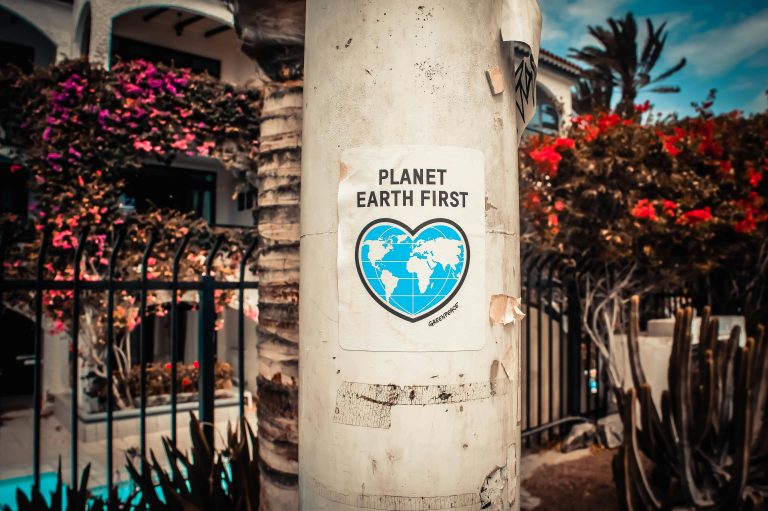
And while we laugh at corners, the world is crying elsewhere. Respect for the environment isn’t just about government policies or penalties; it’s about attitude. The same way we respect each other’s space, we should respect the ground we walk on, the air we share, and the rivers that feed us.
Pollution begins when respect ends. Across the world, 99% of people breathe air that’s unsafe, and more than 12 million lives are lost every year because of polluted air, water, and soil. In Kenya alone, about 19,000 people die annually from air pollution, and only 7% of plastic waste is recycled; the rest clogs our drains, rivers, and soil.
These aren’t distant numbers — they’re reflections of how lightly we take responsibility. If we learned to treat our streets, drains, and open spaces with the same dignity we give our homes, we’d already be halfway to a cleaner nation and a kinder world.
If we all choose laughter over responsibility, comfort over conscience, what are we really building? We keep crying, “Climate change! Climate change! Oh, the sun is scorching! Oh, the cities are flooding! Oh, the countryside isn’t receiving rain!” Yet we’re building a society where every corner is a symbol of neglect, and a reminder that carelessness is contagious.
Healing the world doesn’t always start with grand acts or big campaigns. Sometimes it starts with holding your juice, listening to a joke, and daring to say, “Hey, that’s not funny — that’s our planet.”
So next time you pass by your local juice stand, smocha stand, or wherever you get your street-corner specials, remember: the world we live in starts right there — one corner, one attitude, one laugh at a time.
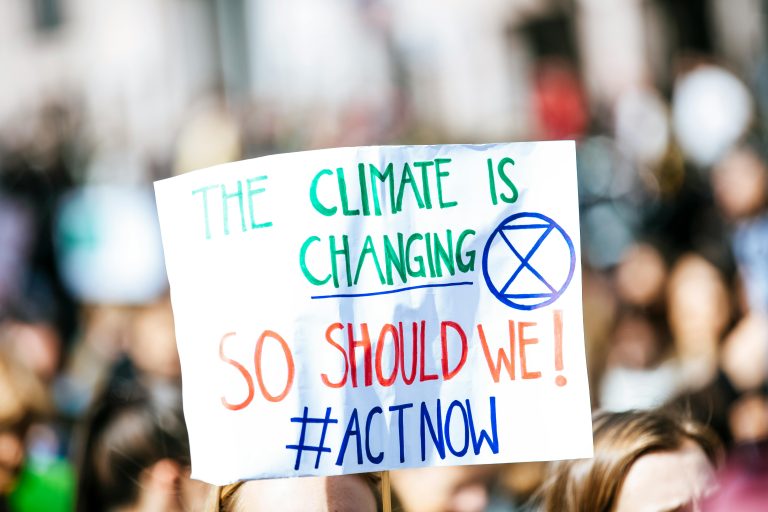
Act now, Act For Future
By Joshua Mutua