Just recently, I was watching the news. They were showing images from different parts of Nairobi with roads had disappearing under water. Cars were half-submerged and others, were overturned. People were seen trying to cross flooded streets while the rain continued to fall heavily giving some millennials and older generation PTSD…of course you know what happened in the 1997.
But one moment stayed with me. A woman was being carried by the floodwaters. The current was strong, rushing through the street like a wild river that had suddenly decided to run through the city. People stood on the side shouting, pointing while some were seen trying to move closer to save her, but the water was too powerful as she kept drifting farther away.
While I sat safely in my room watching, I suddenly felt something heavy in my chest. The urge to help her. I wanted to reach through the television screen, grab her hand and pull her out of that water. I wished someone threw her a rope, a stick, anything. I wanted the current to slow down just long enough for someone to save her. Nothing.
It is easy to point a finger at the government on poor drainage, weak infrastructure and slow emergency response. These criticisms are often valid and they should be voiced. Public authorities are responsible for planning cities that can withstand heavy rain and protect their citizens. However, if we stop the conversation there, we miss a deeper and more uncomfortable reality. The floodwater rushing through Nairobi’s streets is not only a failure of governance but also a mirror reflecting public behavior.
Walk through many urban neighborhoods after a busy day. Plastic bottles roll along the roadside. Food wrappers sit trapped in gutters. Polythene bags cling to storm drains like stubborn leaves. Small piles of garbage slowly grow beside the road until the next rainfall carries them away. When the rain finally arrives, the water has nowhere to go. Drainage channels become clogged arteries, unable to carry the surge of water. The city begins to drown in its own waste.
What appears on the news as a violent flood is often the final stage of a slow process that began with everyday neglect. A bottle tossed from a car window. A bag dropped after shopping. A habit of believing that once trash leaves our hands it disappears from our responsibility. In truth it does not disappear. It travels. It gathers. It waits.
Rain simply reveals what we have been ignoring.
The tragedy is that this cycle is not inevitable. Cities that once suffered frequent flooding have managed to reduce the damage through a combination of planning and public cooperation. The difference often lies in whether people see waste management and environmental care as a shared responsibility rather than a distant government duty.
Real change begins with ordinary decisions. Proper waste disposal may sound like a small act, but when practiced consistently across millions of people it becomes a powerful form of prevention. Communities that organize regular cleanups of drainage channels and waterways often see immediate improvements during heavy rain. Schools that teach environmental awareness raise a generation less likely to treat public spaces as dumping grounds.
At the same time, citizens must continue to demand accountability from those in power. Effective urban planning, modern drainage systems, protection of wetlands, and strict enforcement of waste regulations are essential. Governments must invest in infrastructure that anticipates heavier rainfall patterns as climate conditions continue to shift.
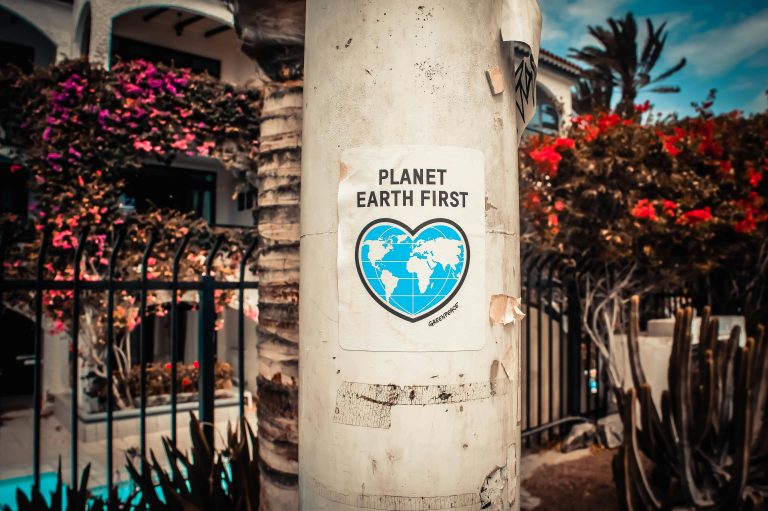
But perhaps the most important change is cultural. We must begin to see the environment not as something separate from us, but as an extension of our own living space. The street outside our home is not someone else’s responsibility. The river passing through the city is not a distant object. The plastic bottle we drop today may become tomorrow’s blockage that turns a road into a river.
And somewhere in that river could be another person fighting to stay afloat.
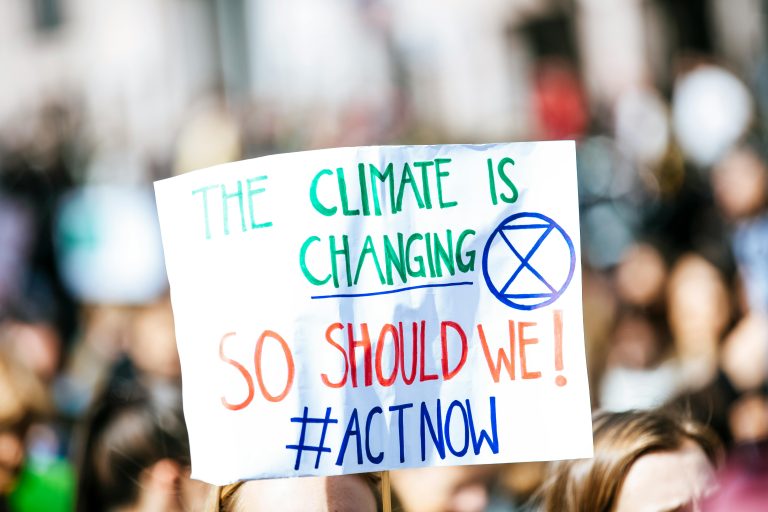
Act now, act for future!
By Joshua Mutua